Shock Loss After a Hair Transplant: What It Looked Like for Me, Day by Day (Photos)
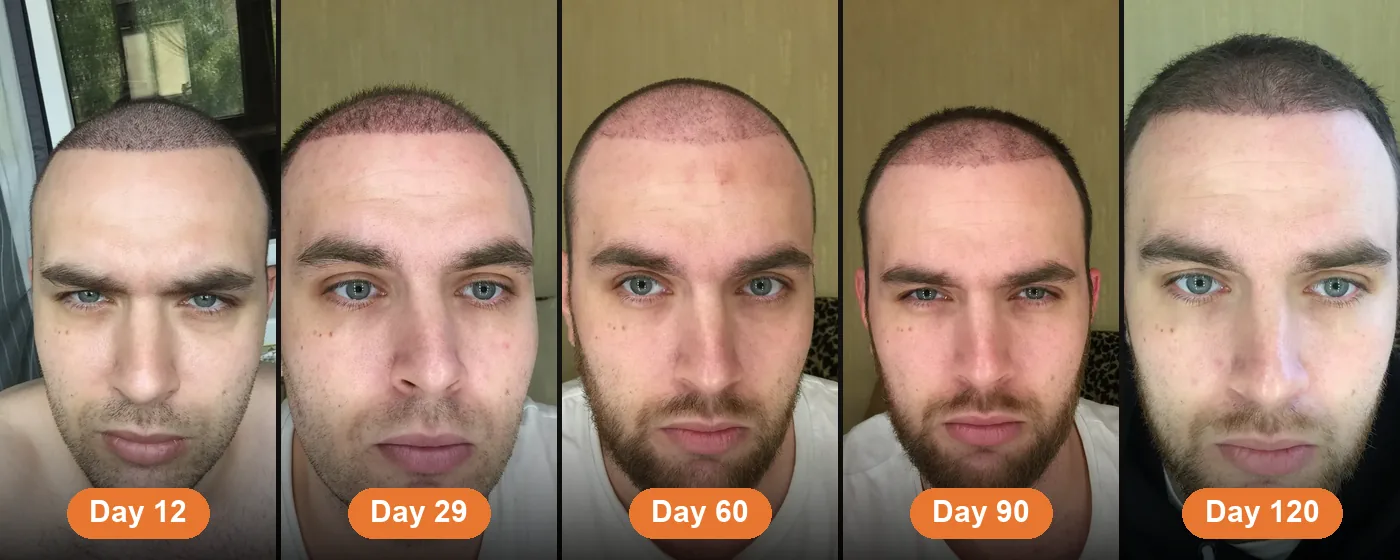
There is a moment after a hair transplant that almost everyone fears. The hair you flew abroad for starts falling out. A couple of months later your head can look as if there was no operation at all.
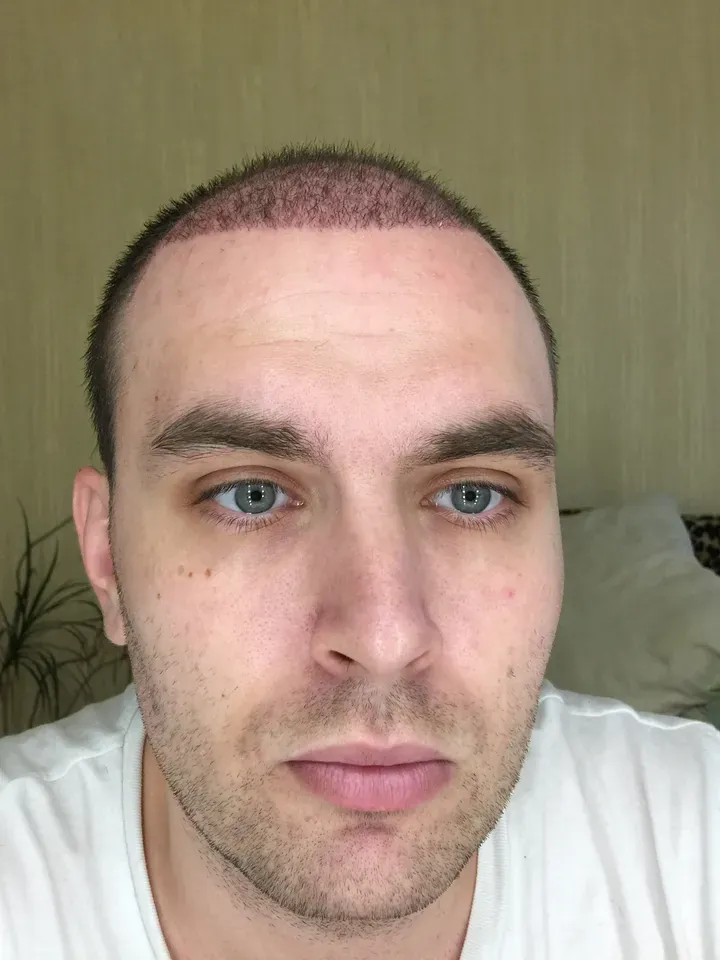
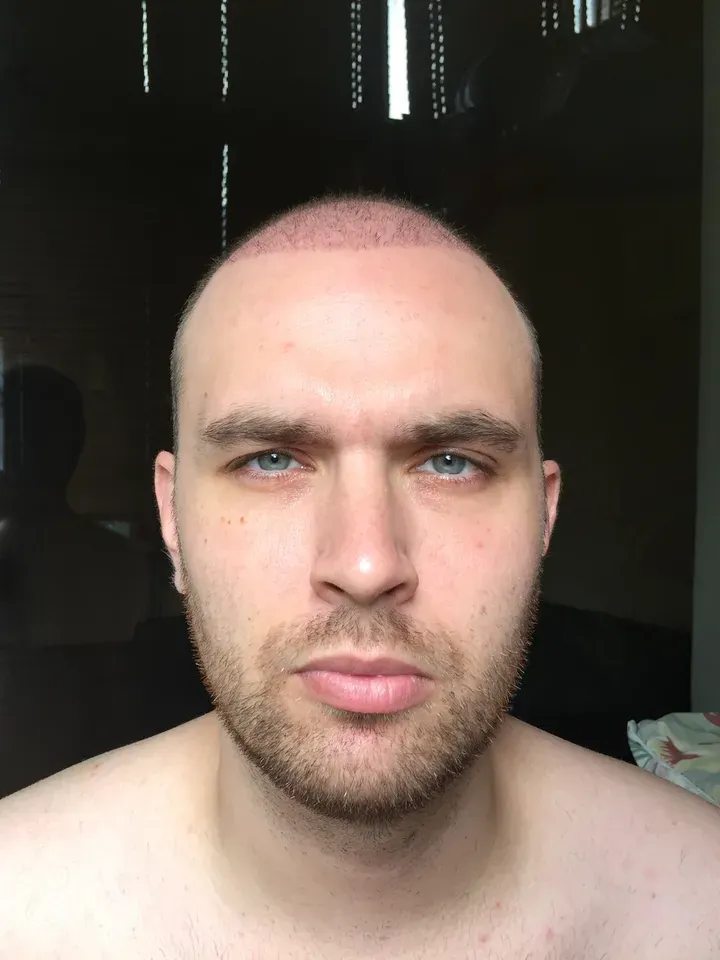
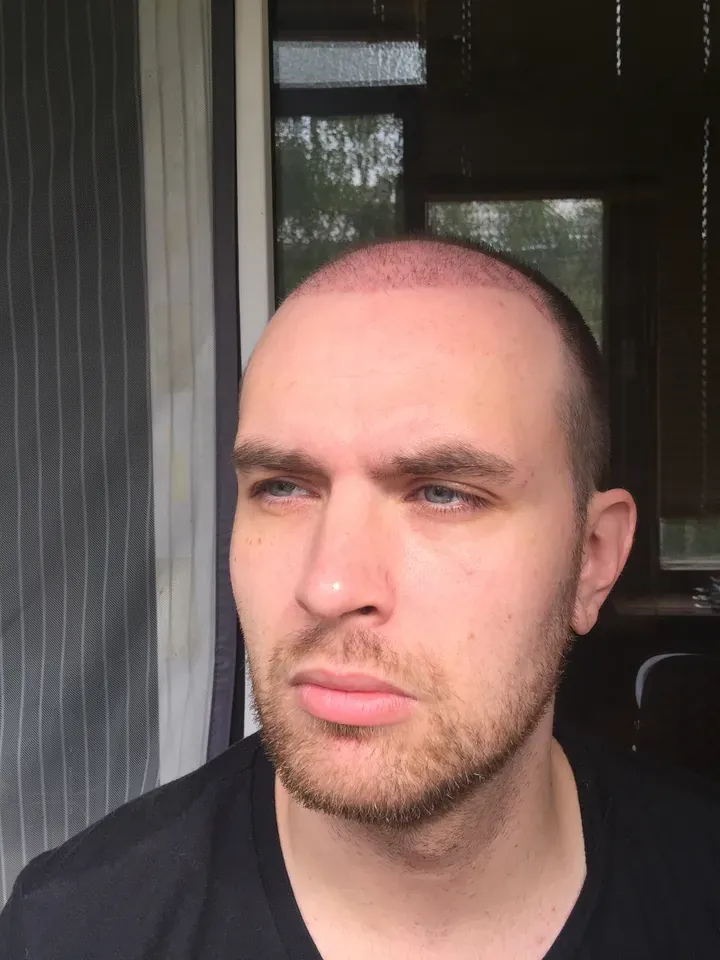
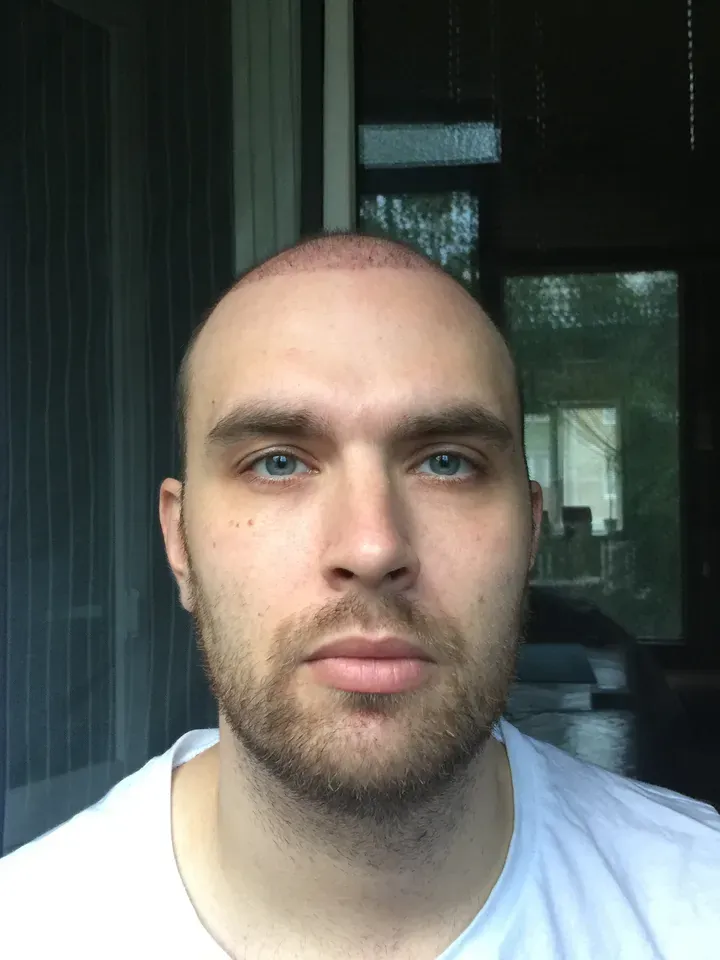
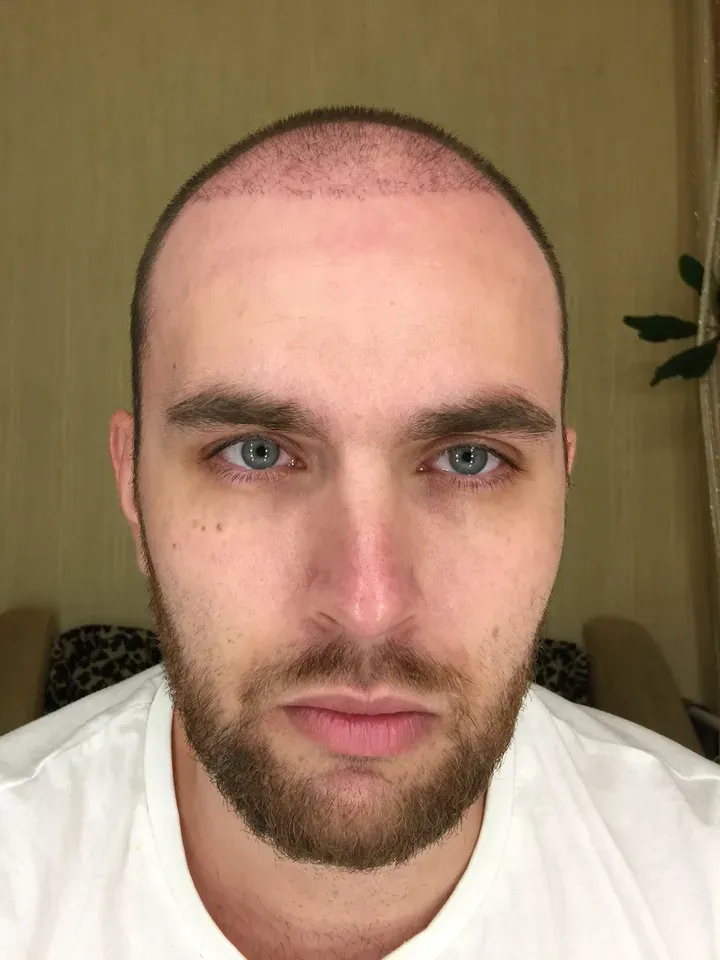
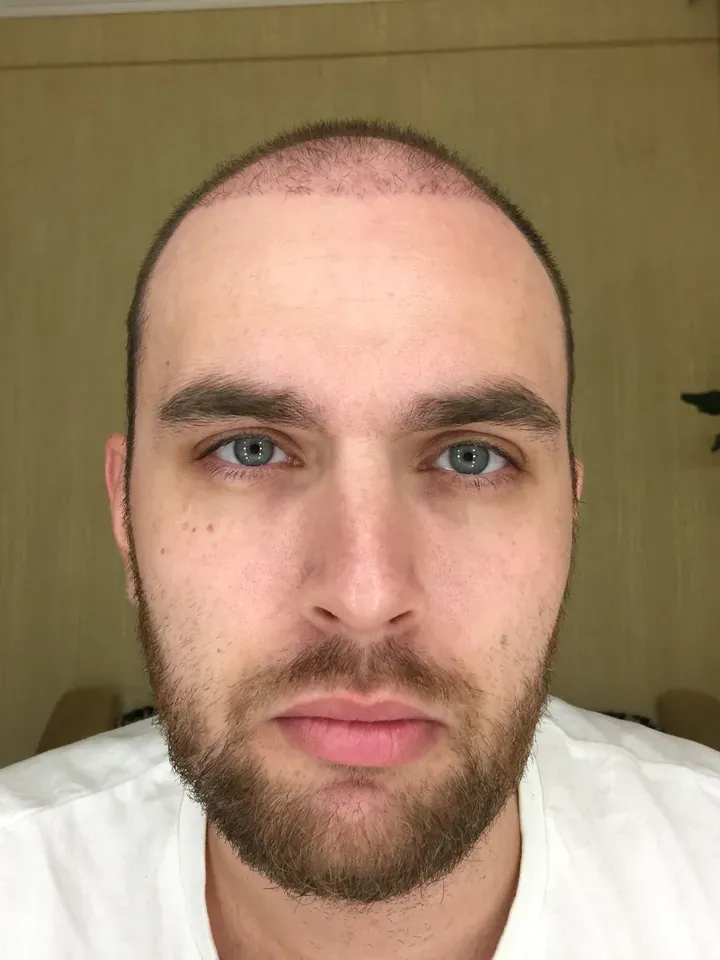
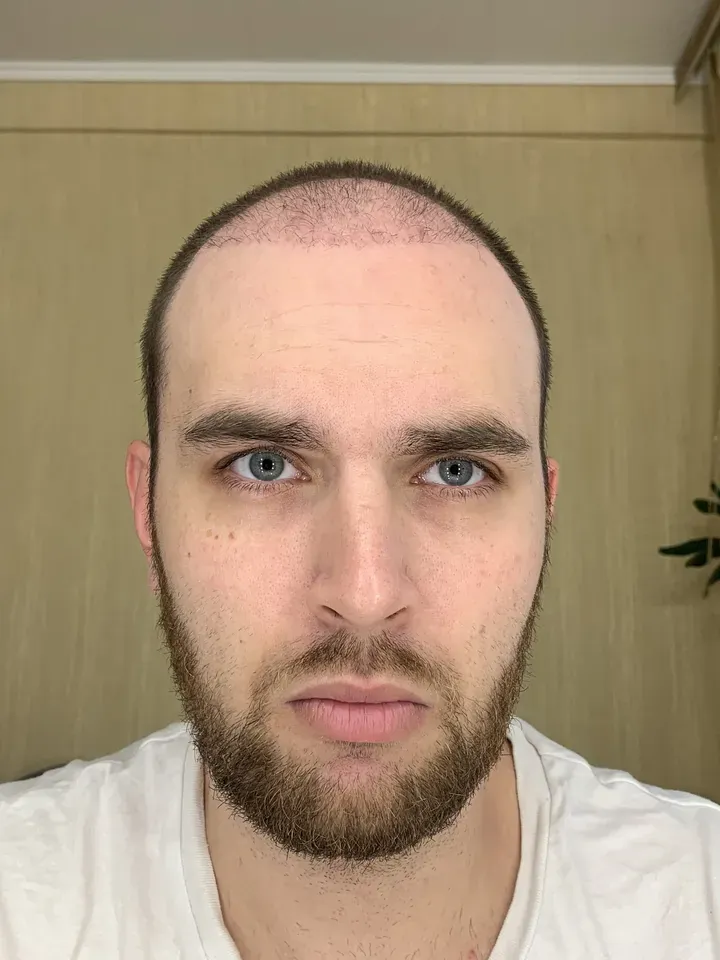
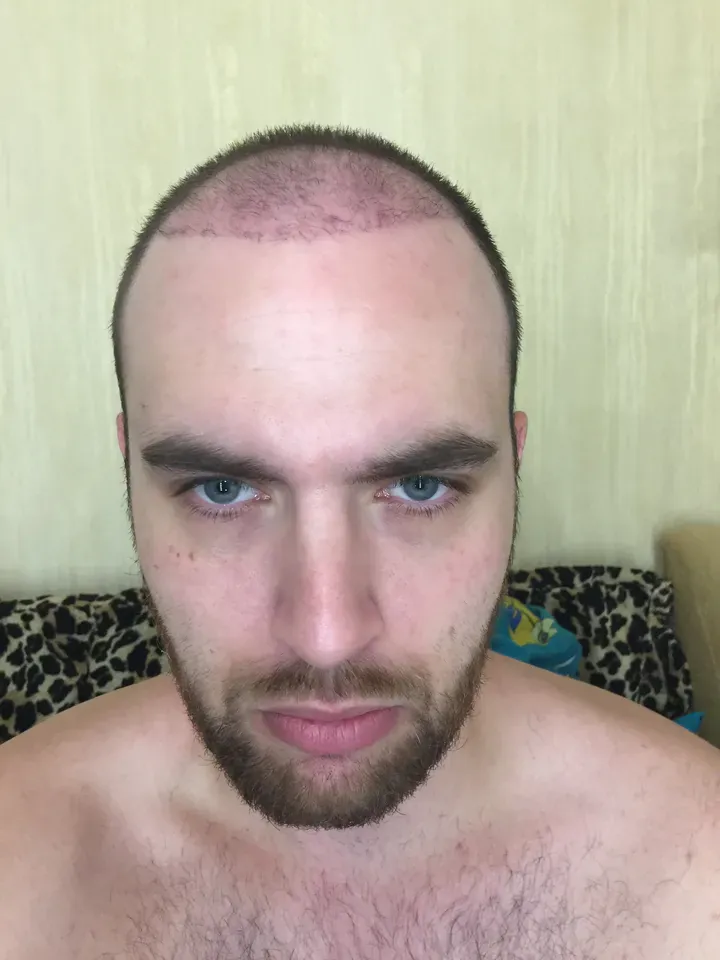
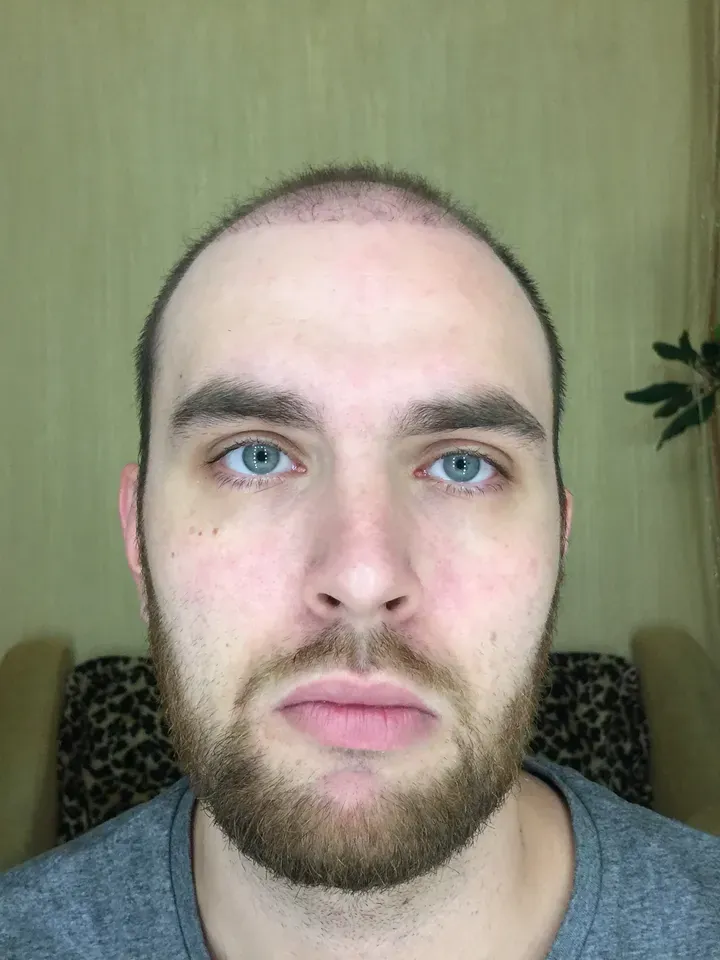
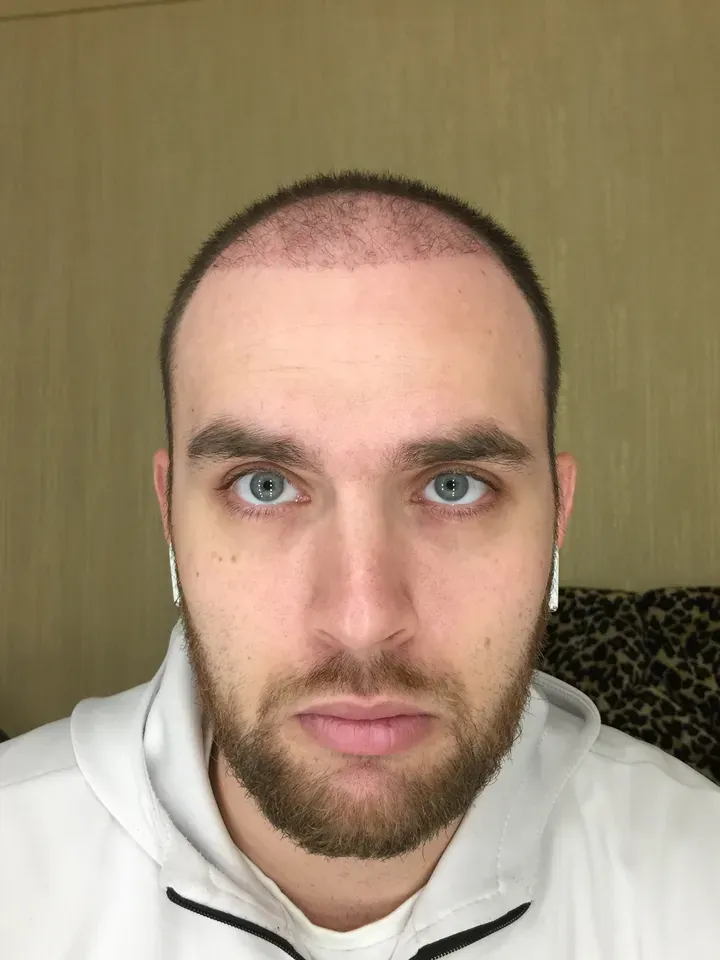
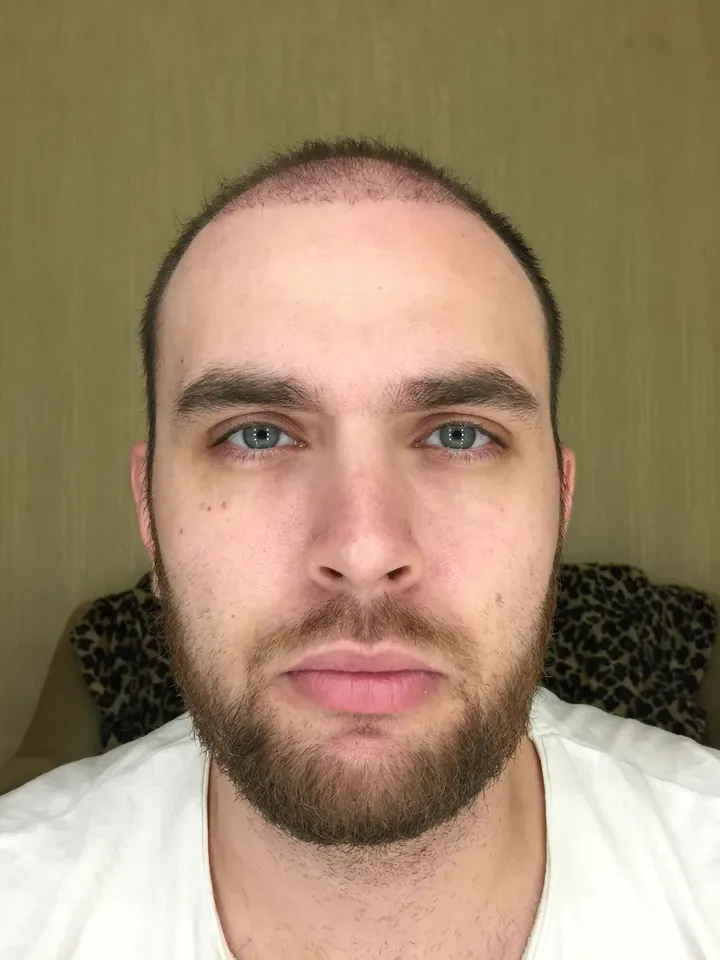
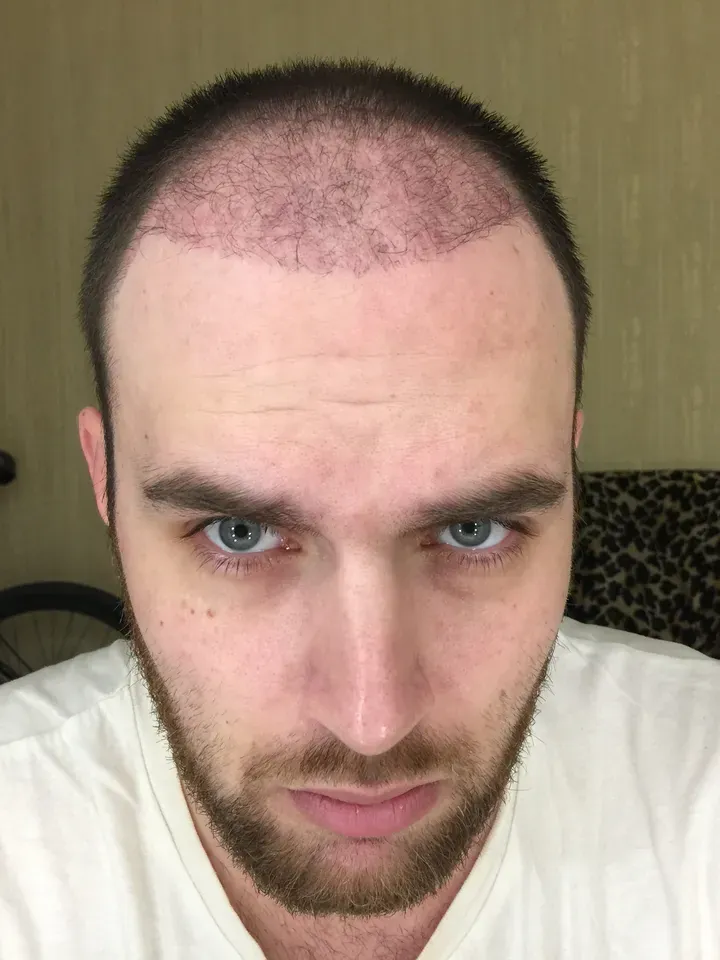
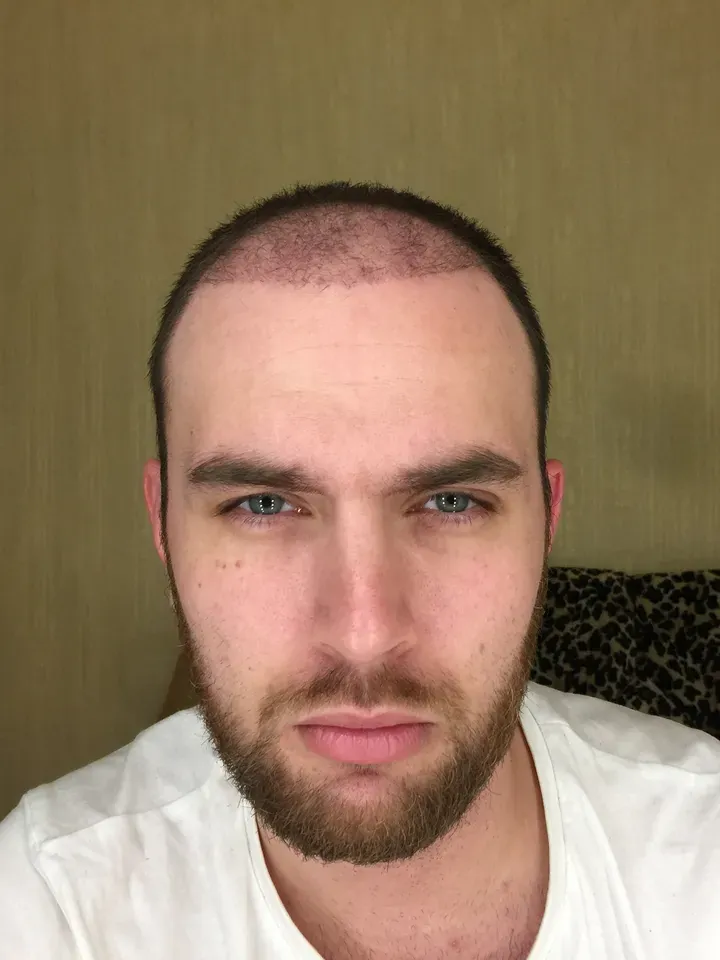
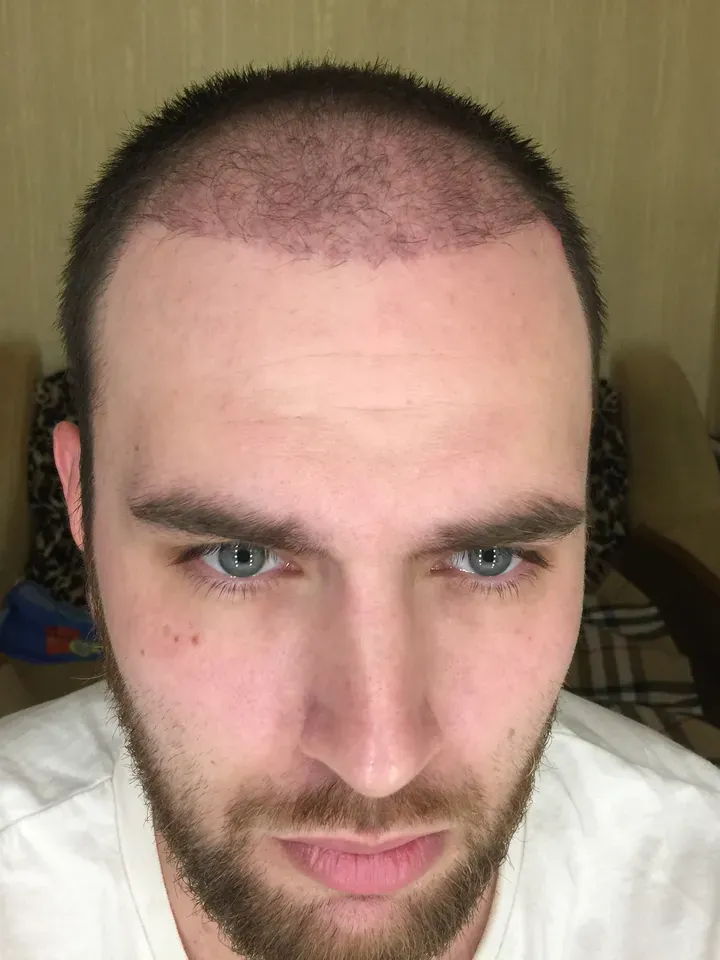
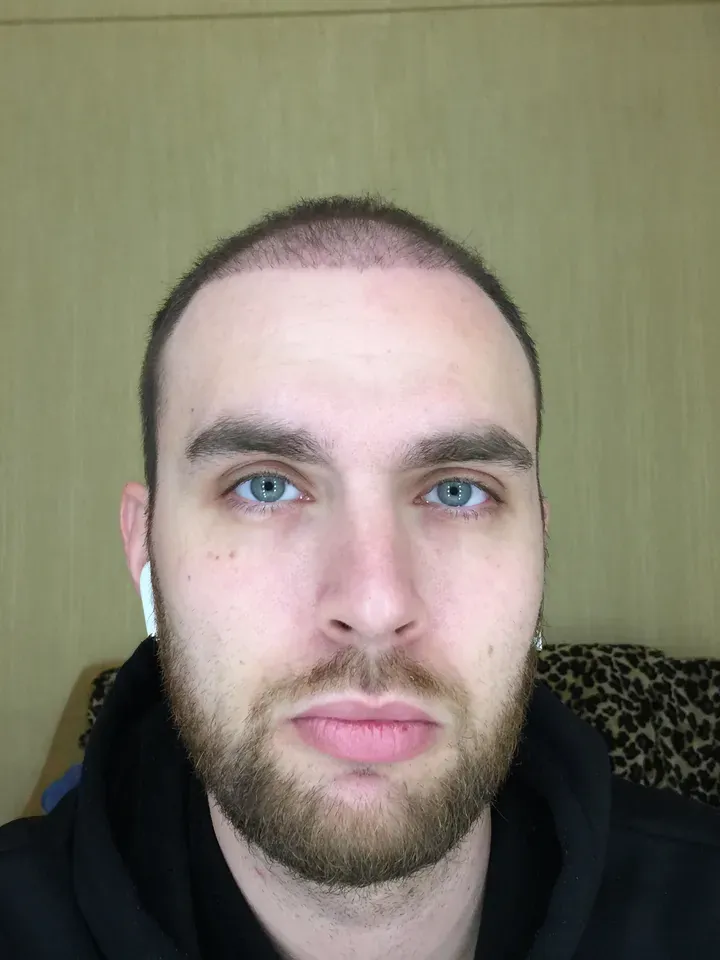
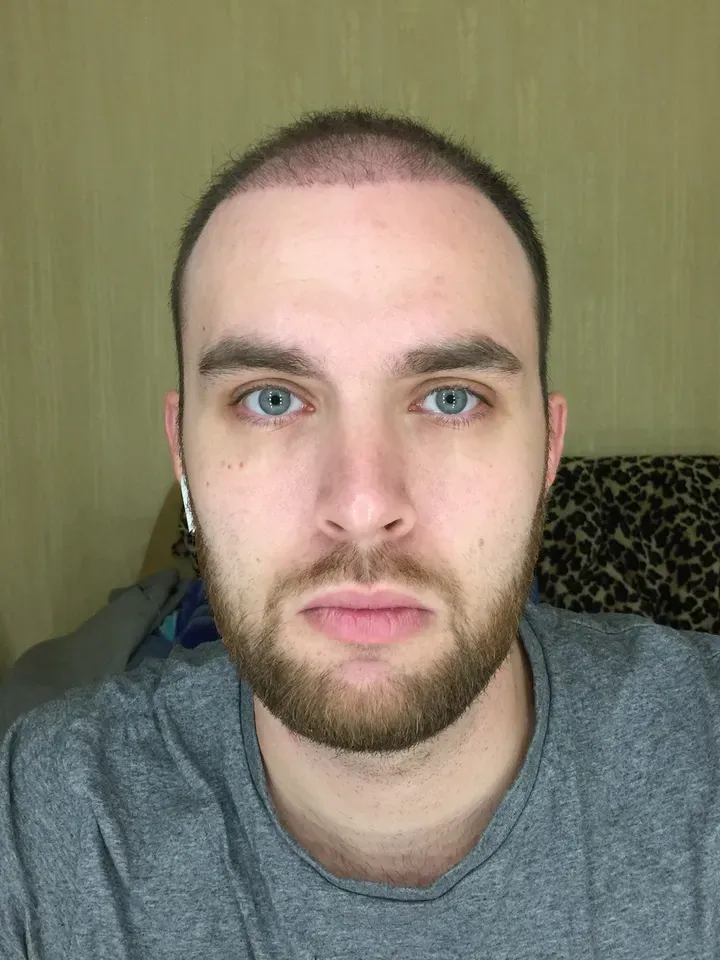
That is shock loss. I went through it in 2020 and photographed my head almost every 1–3 days. Below is a slider of 37 frames from day 9 to day 120, plus 10 larger photos with notes. So you can see what it really looks like, not on clinic pictures.
In short. My transplanted hair started falling out around day 10. The “emptiest” moment was around day 60. By day 90 the shedding was over; in total about 80% of the transplanted hair fell out. Growth started around day 90, and by day 120 the result was already visible in the mirror.
My name is Denys. In July 2020 I had 3,500 grafts transplanted with the FUE method in Istanbul. I described the operation itself and the first two weeks in the story of my transplant.
I'm not a doctor. This is one patient's experience, not medical advice. Everyone's timeline is different. Discuss your own case with the clinic that did your transplant.
What shock loss is, in plain words
After a transplant, the hair itself falls out. The bulb it grew from stays in the skin and later grows a new hair. So shedding in the first months does not, by itself, mean the grafts didn't take.
That's what people often call the shedding of transplanted hair in the first months. Doctors also use the term for your own hair falling out near the transplanted area. In my case only the transplanted hair fell out: my own hair next to it and at the back of my head stayed where it was.
When shock loss starts: for me, around day 10
For the first 10 days the transplanted hairs sit together with the scabs. Around day 10 the scabs are washed off, and from then on the hairs gradually start to fall out.
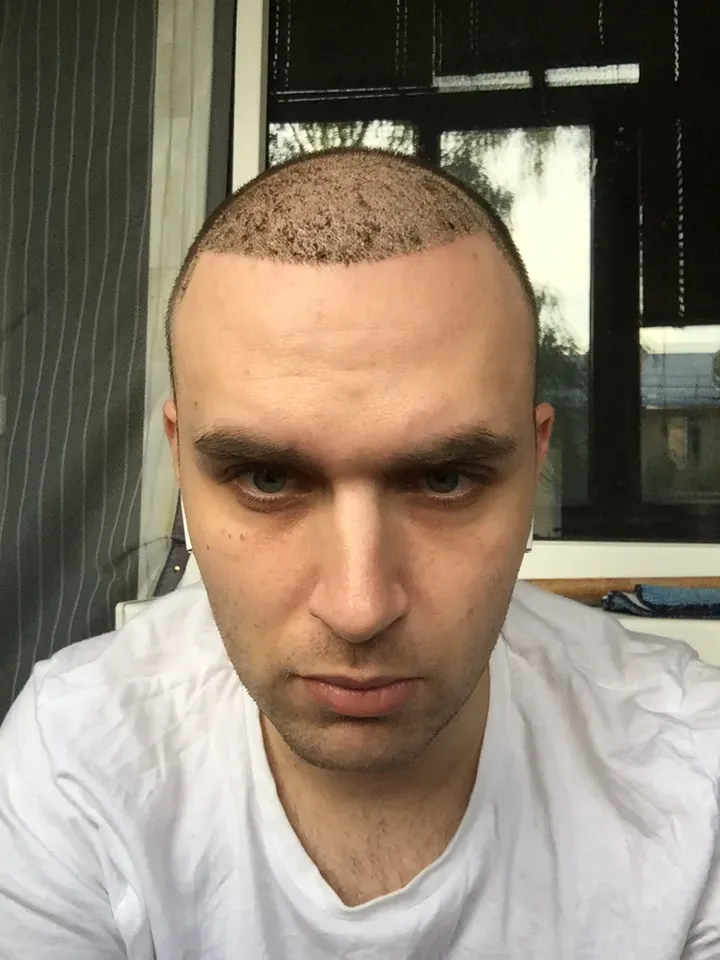
At first it is barely noticeable. In the day 17 photo the transplanted area still looks dense from above. It started thinning visibly towards the end of the first month.
There is no exact answer to “on which day do transplanted hairs fall out”: for some people it's earlier, for others later. For me the shedding was gradual, from day 10, and strongest in the second month.
What shock loss looks like: my photos day by day
All photos are from my phone, no filters. The day is counted from the date the photo was taken.
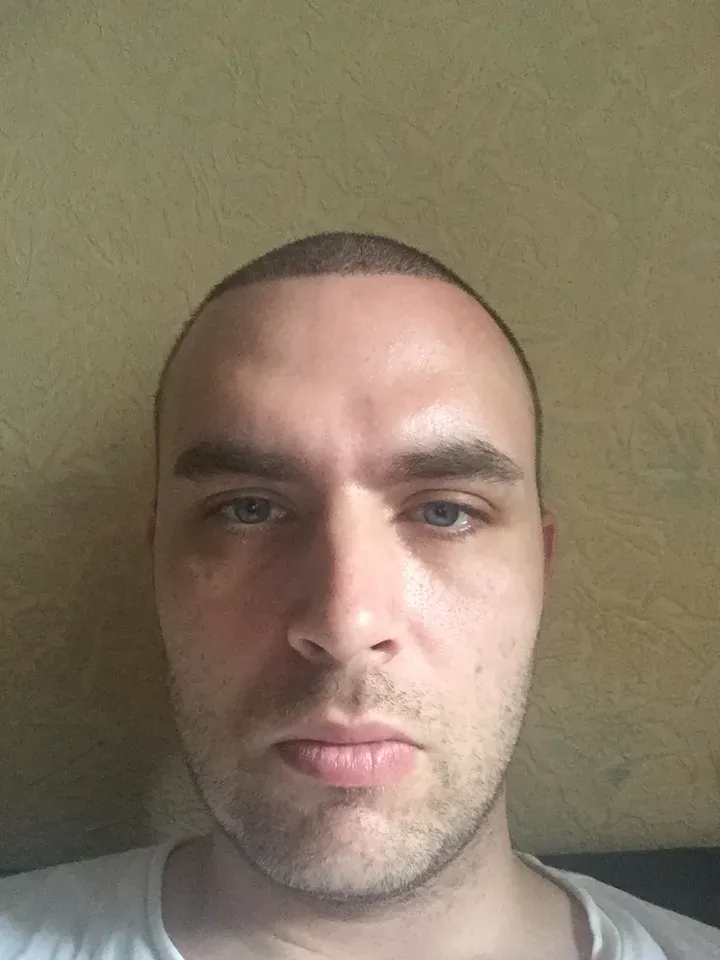
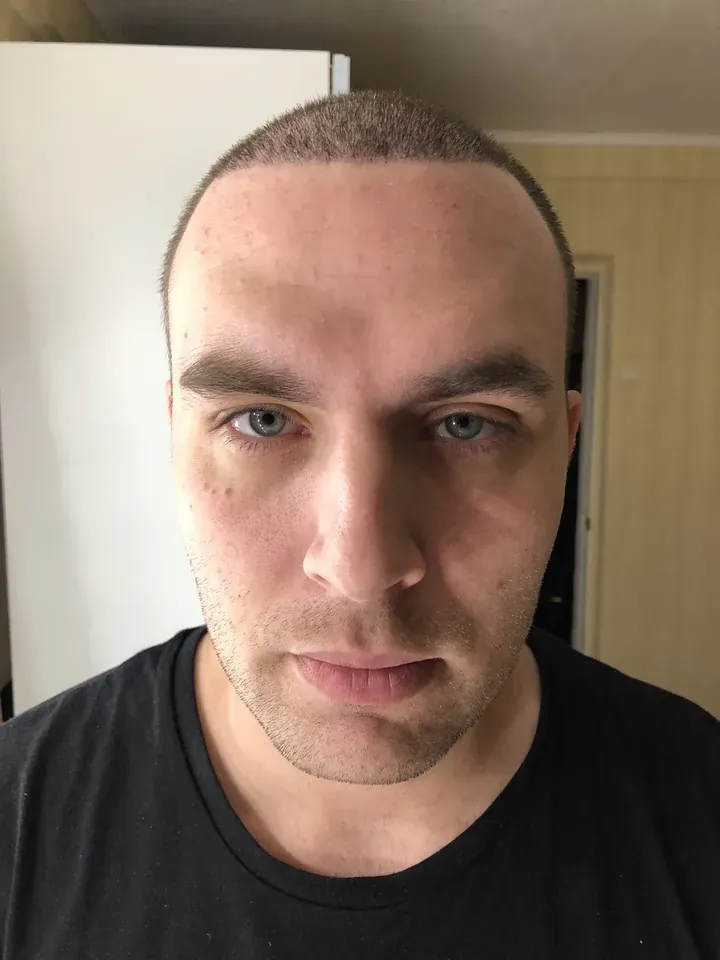
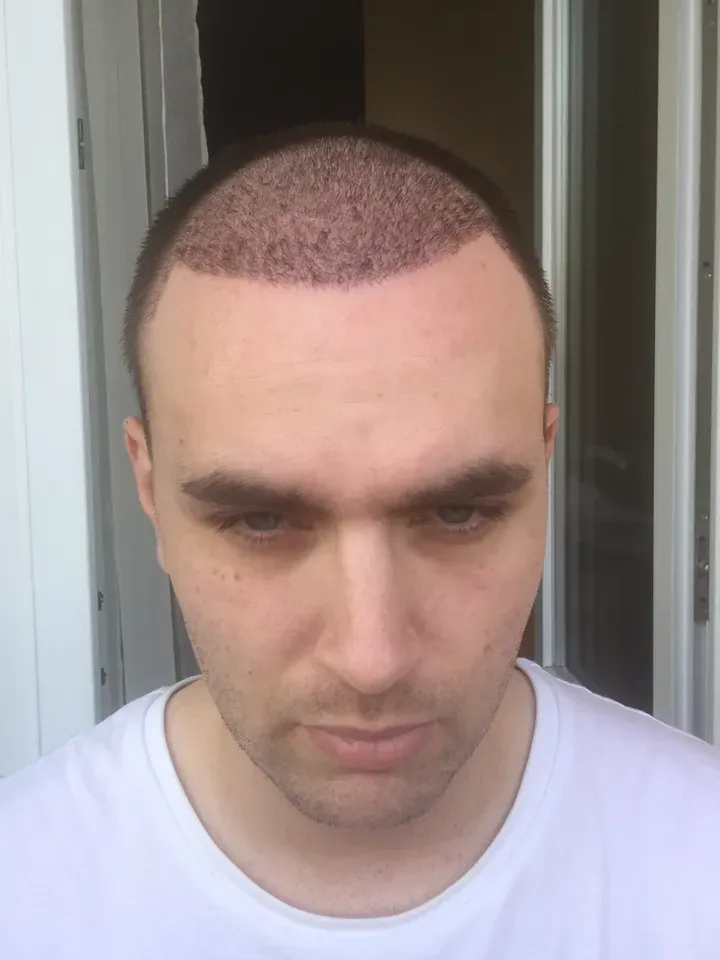
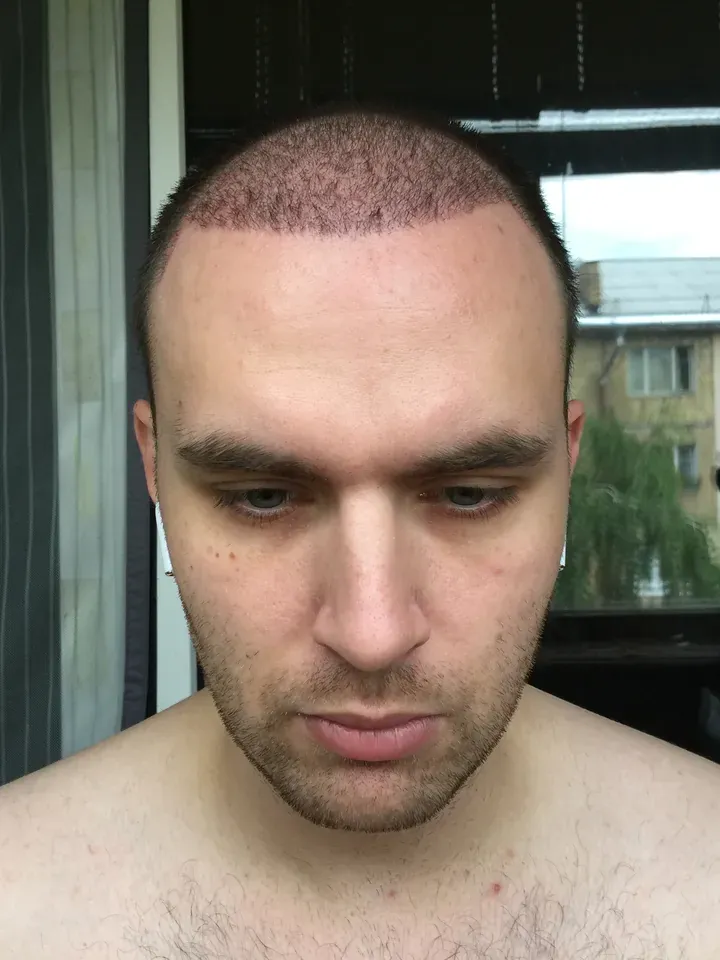
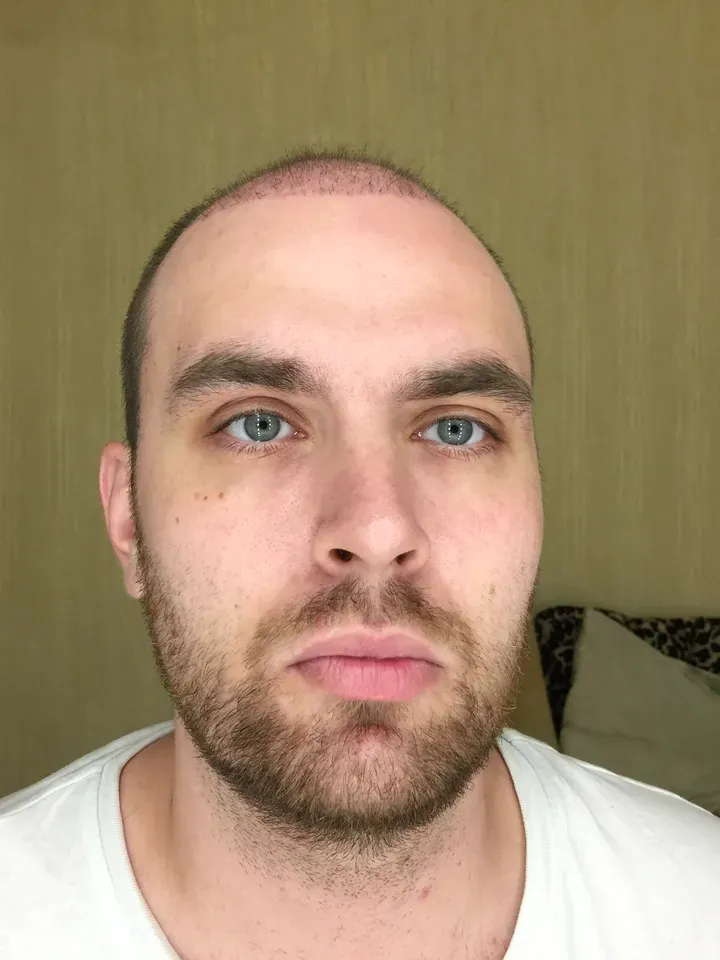
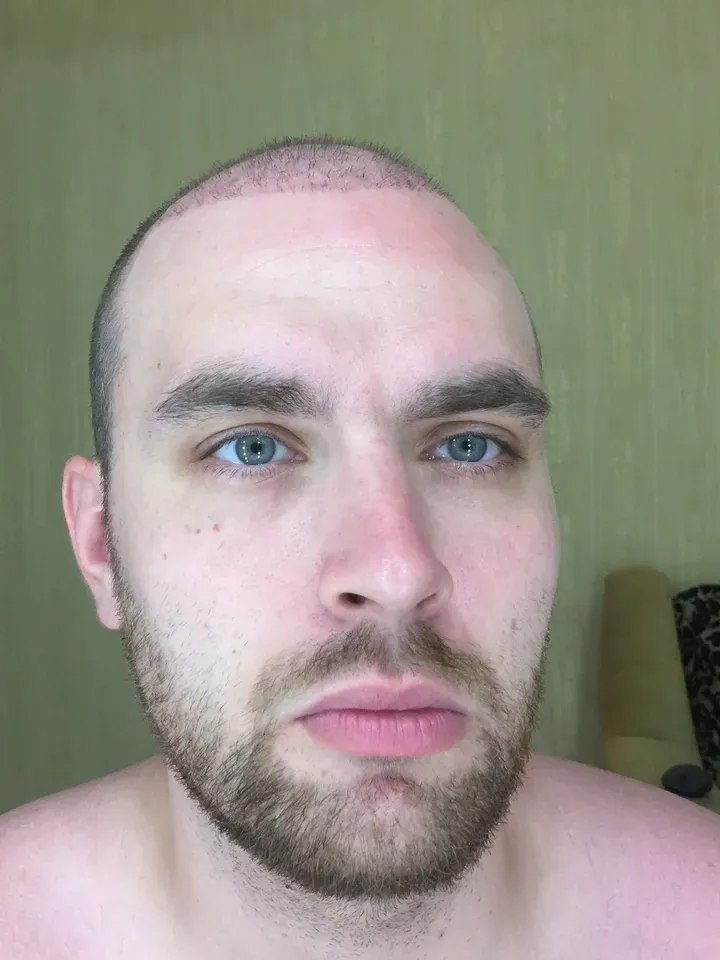
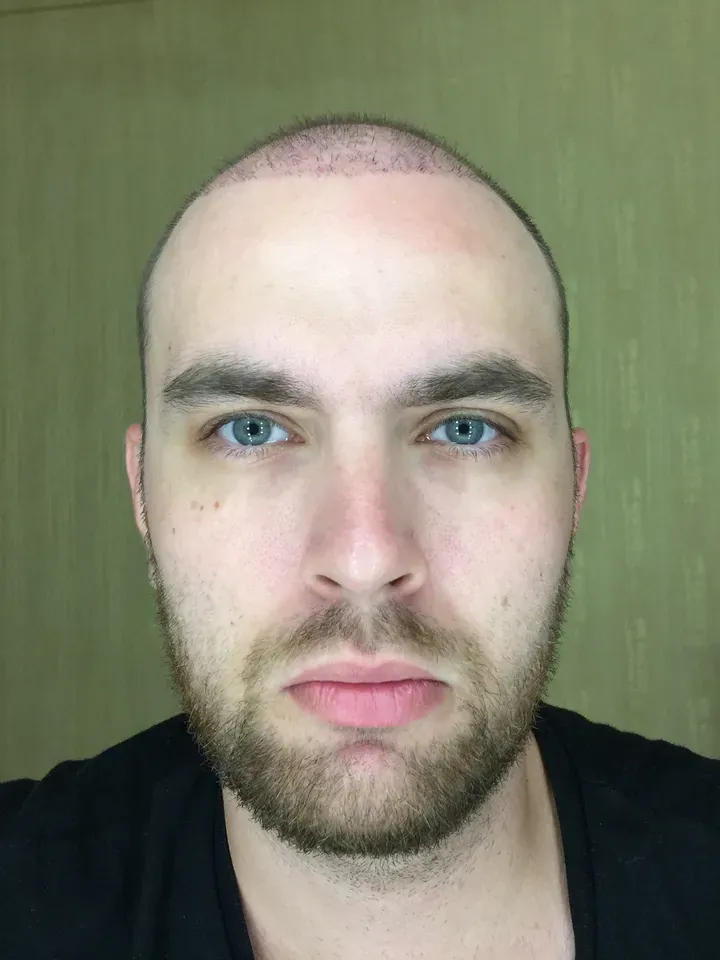
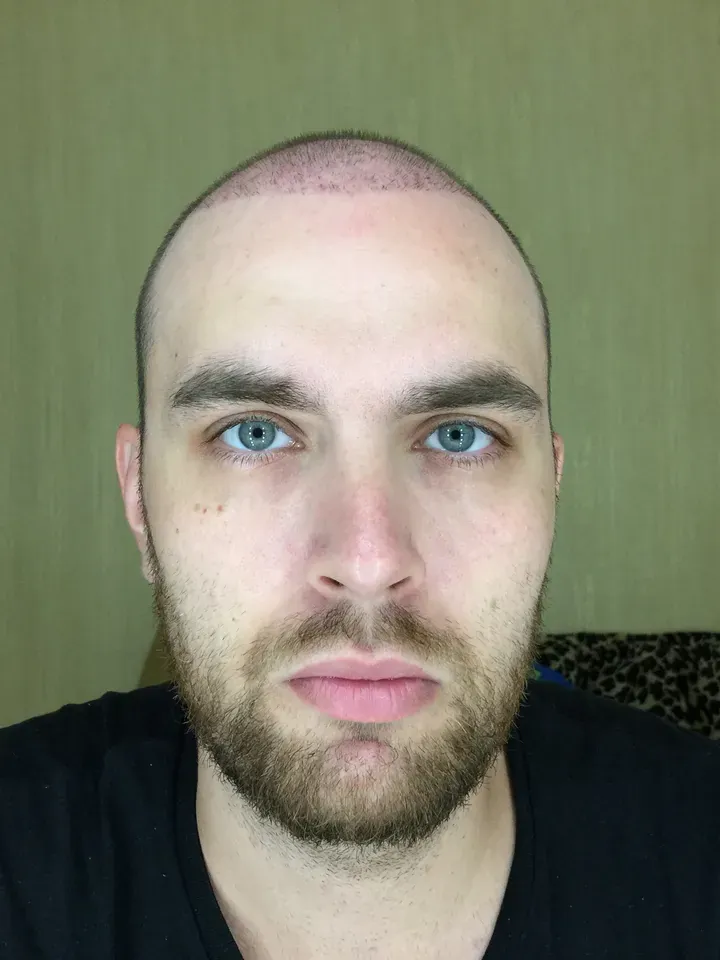
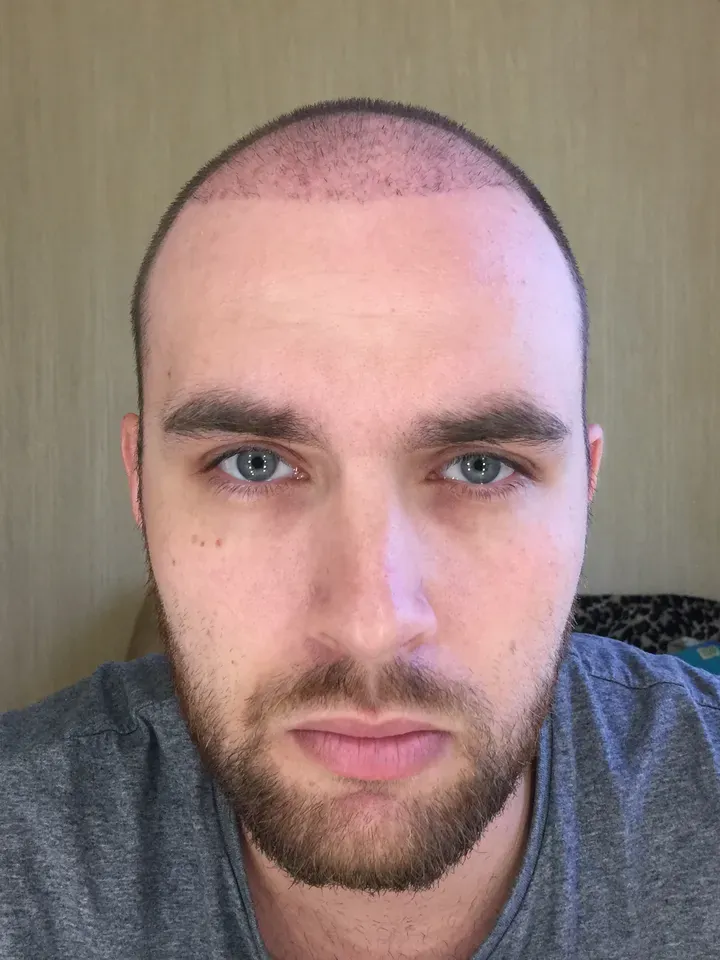
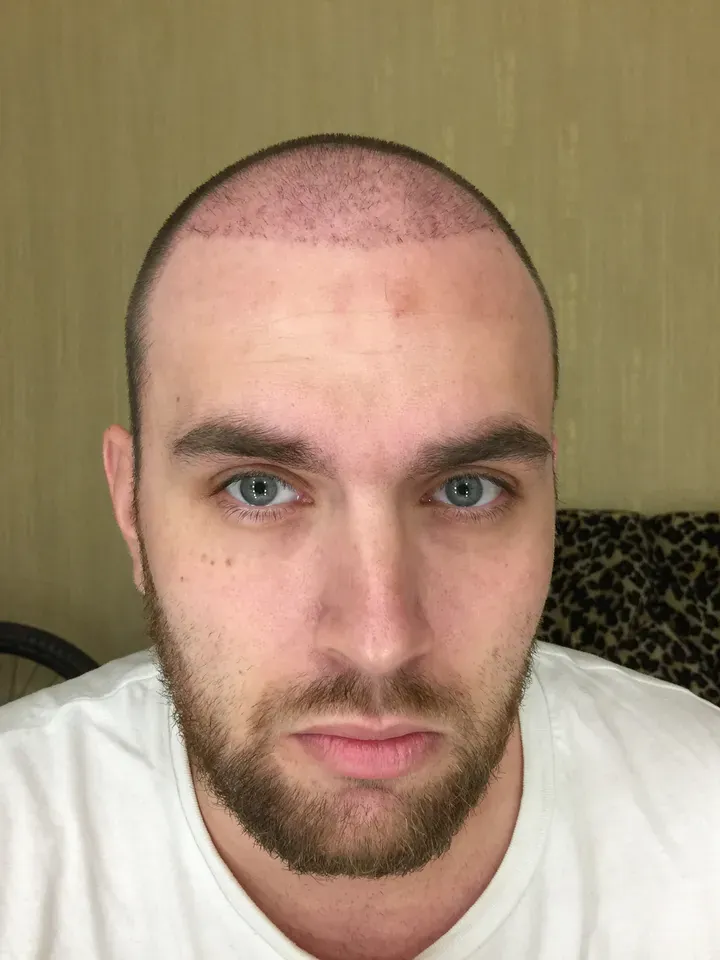
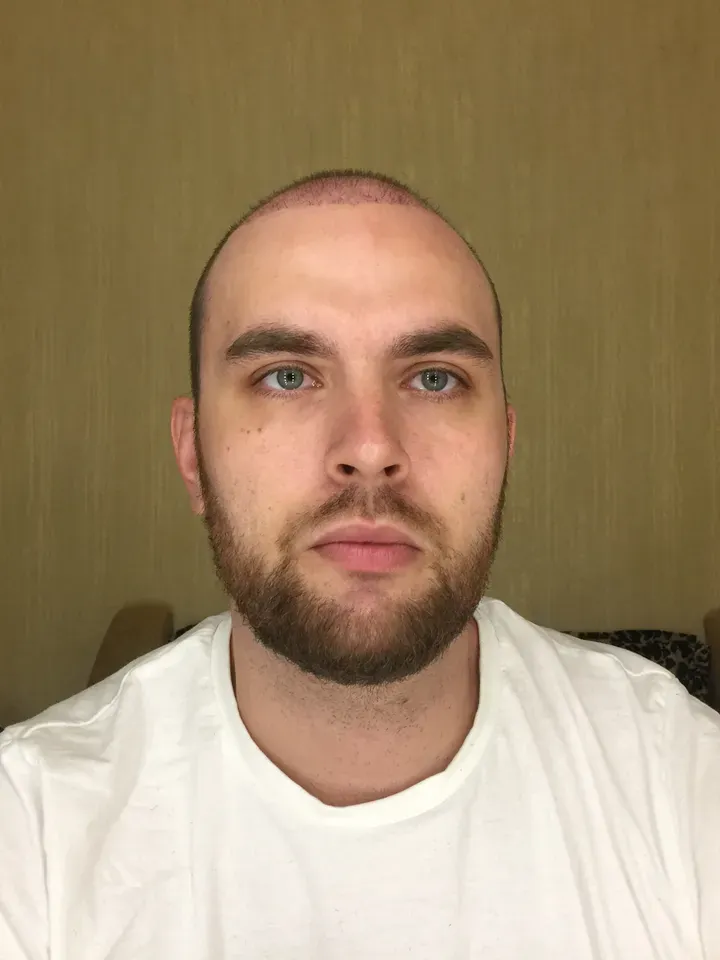
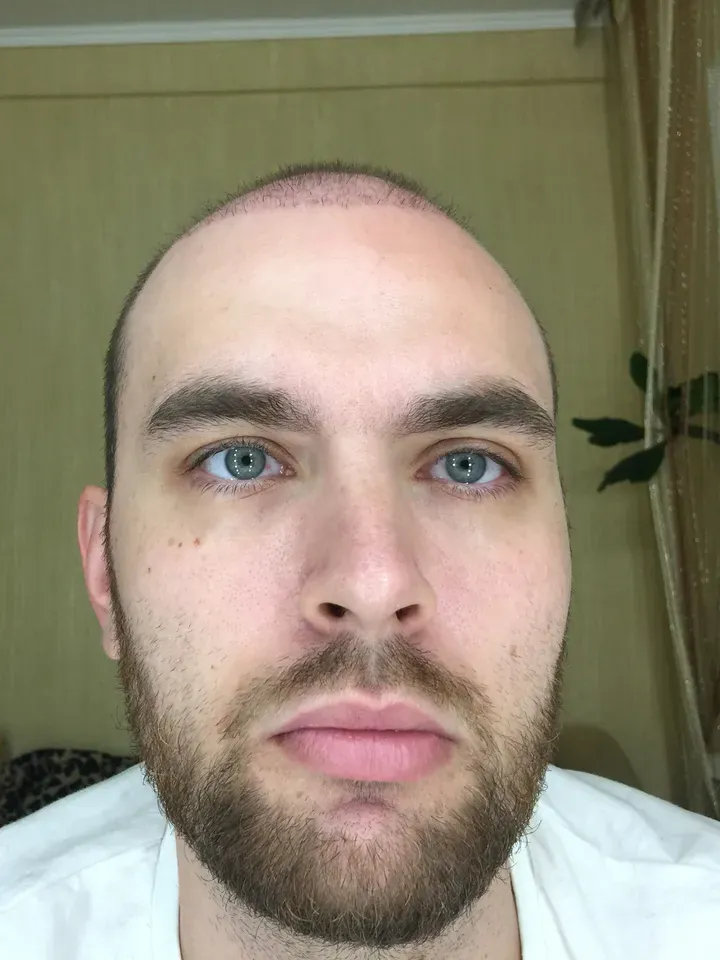
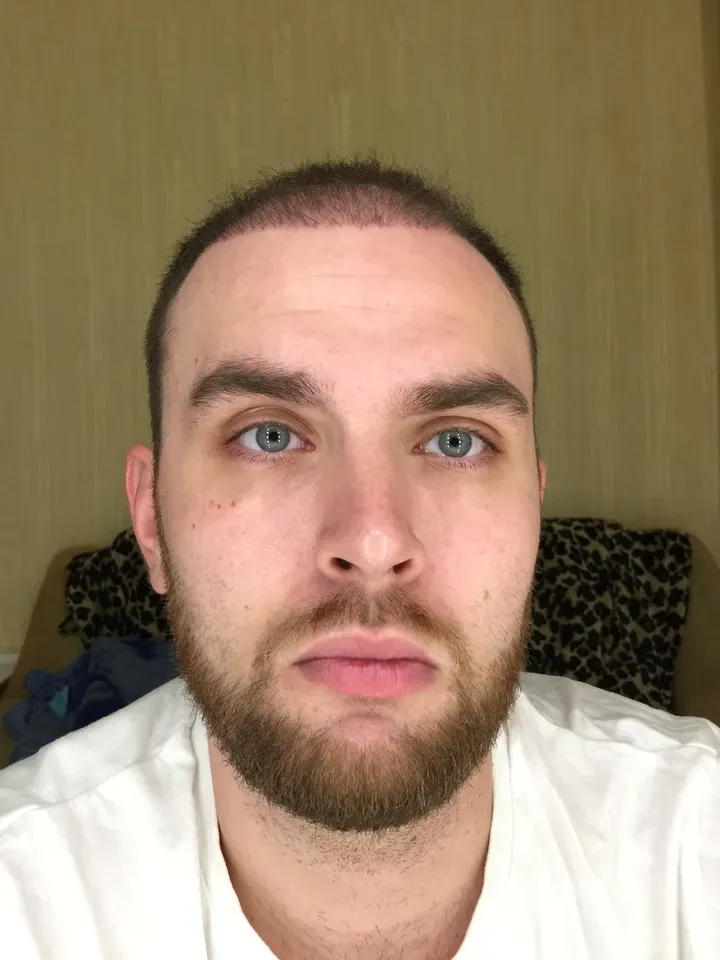
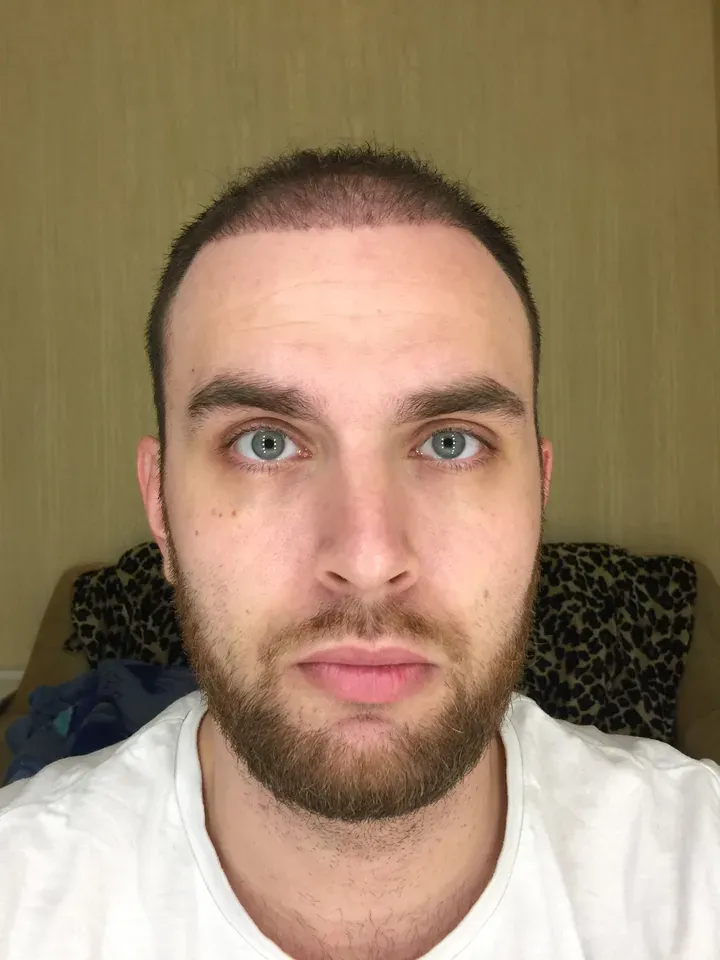
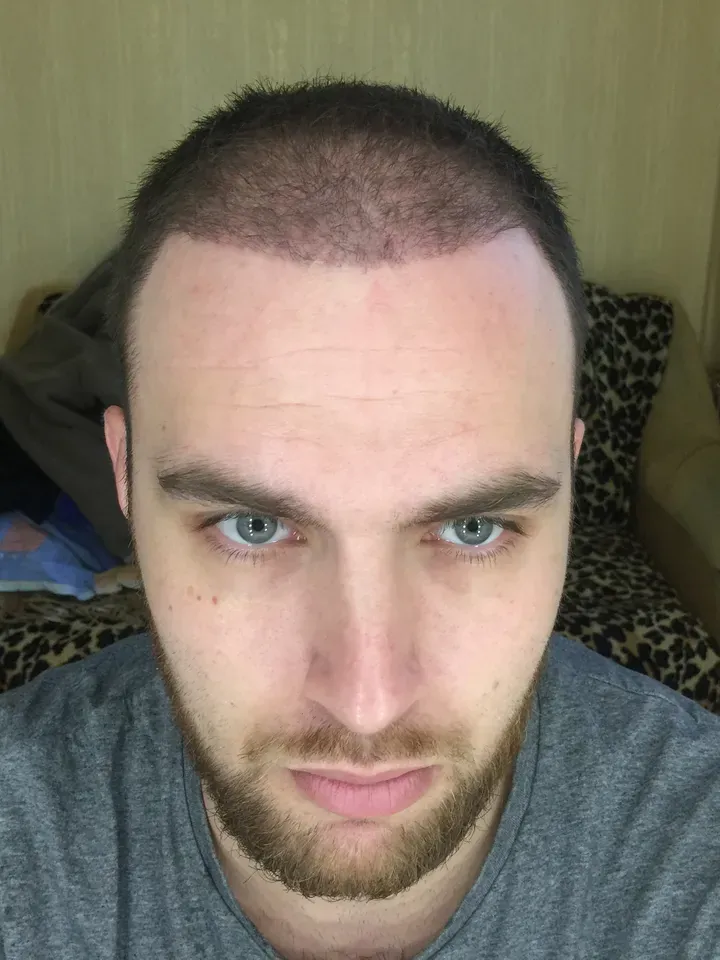
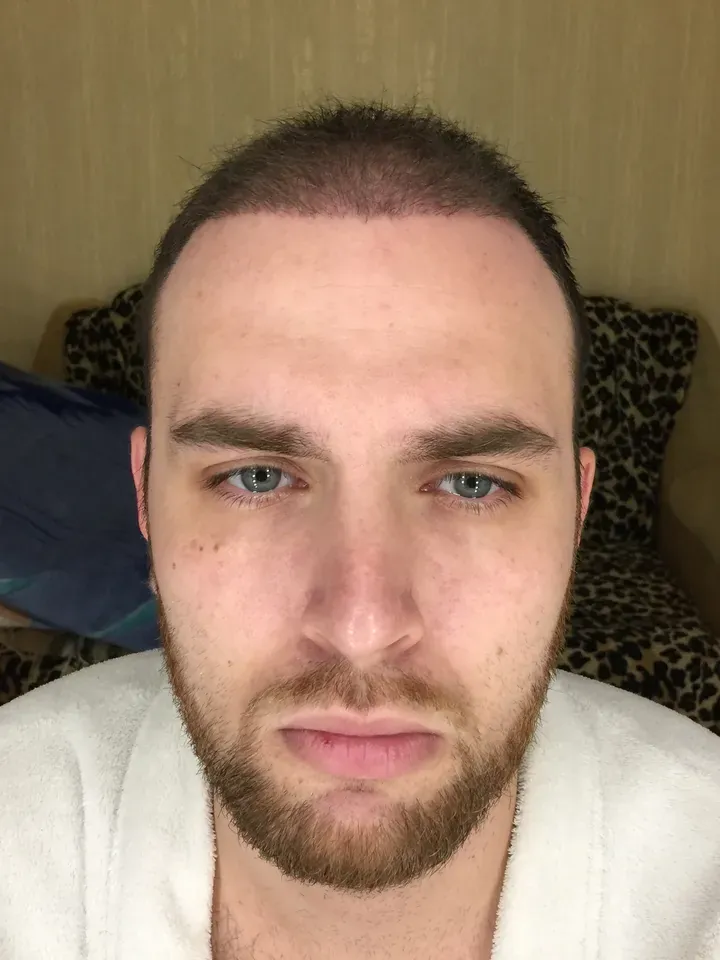
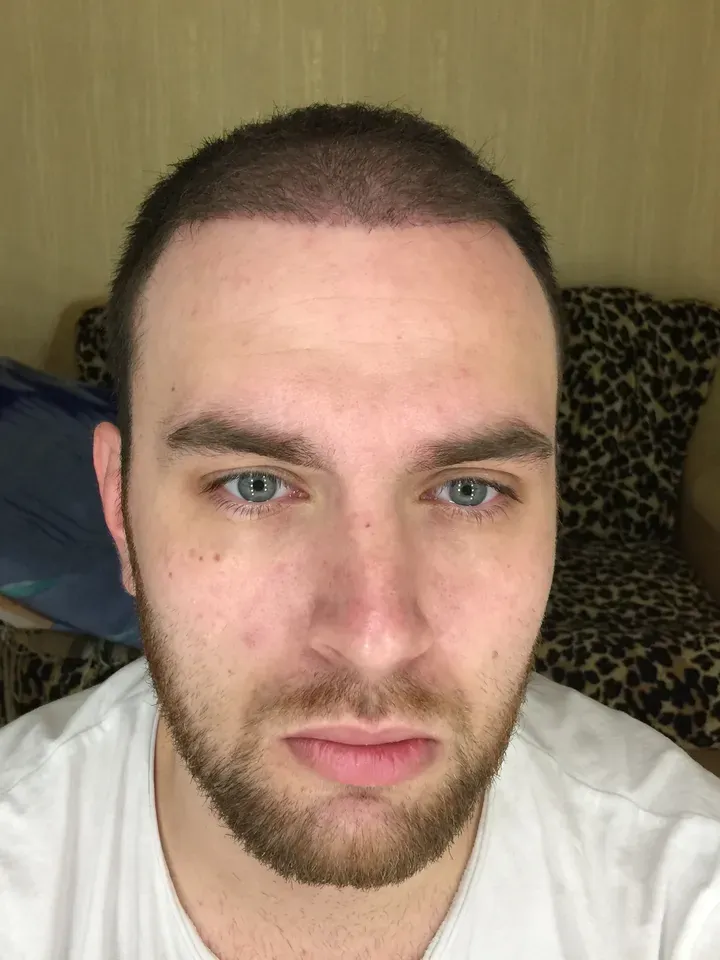
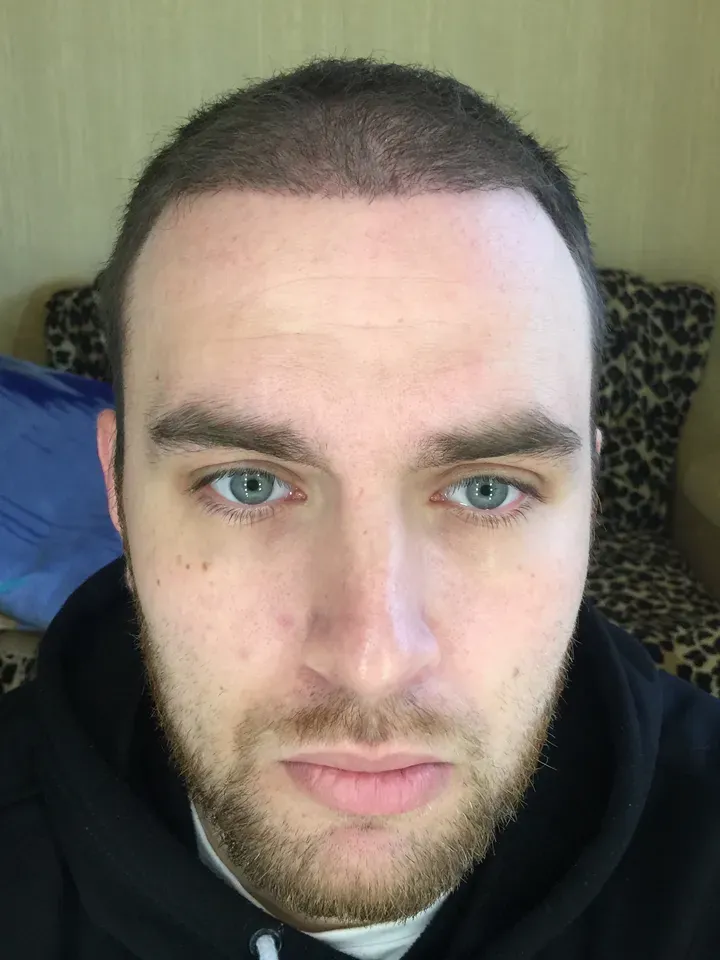 Day 91 / 37
← Drag the slider or tap the arrows →
37 front-view frames, roughly one every 3 days. You can see the transplanted hair go, the head stay “empty” for almost a month, and the hair come back from day 90.
Below are 10 of those days in a larger size, with notes.
Days 10–29: the shedding is just starting
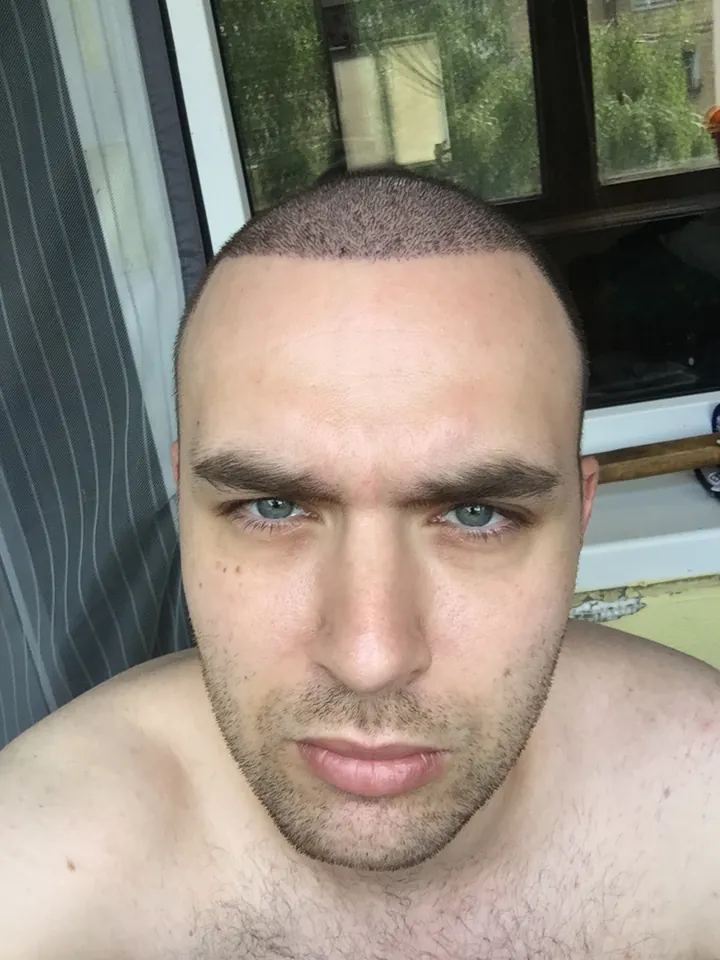
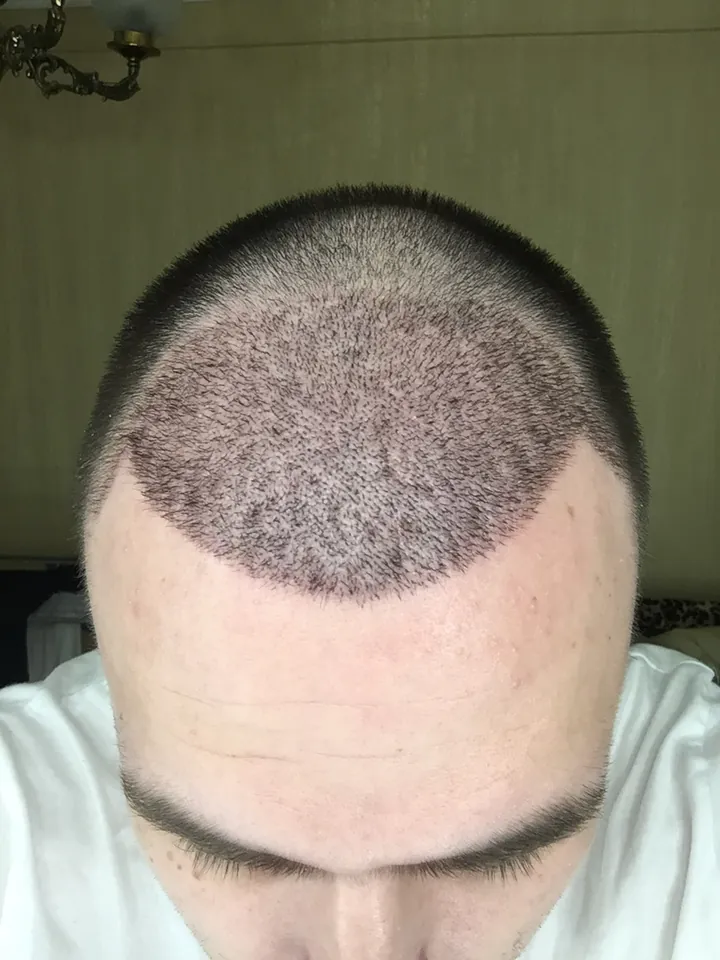
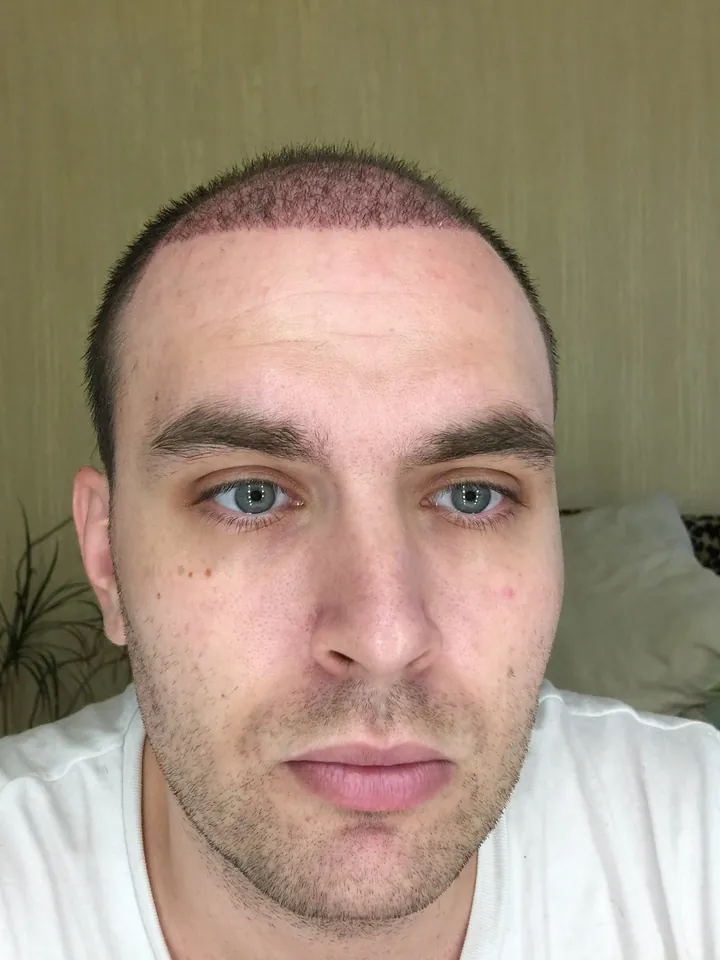
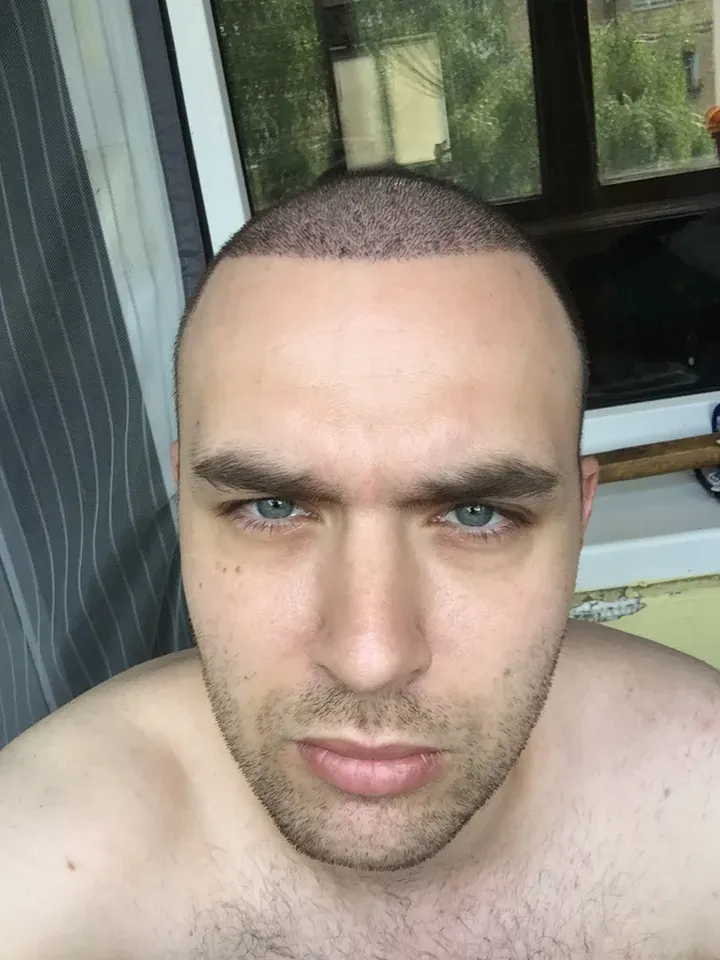
Days 30–60: the “emptiest” moment
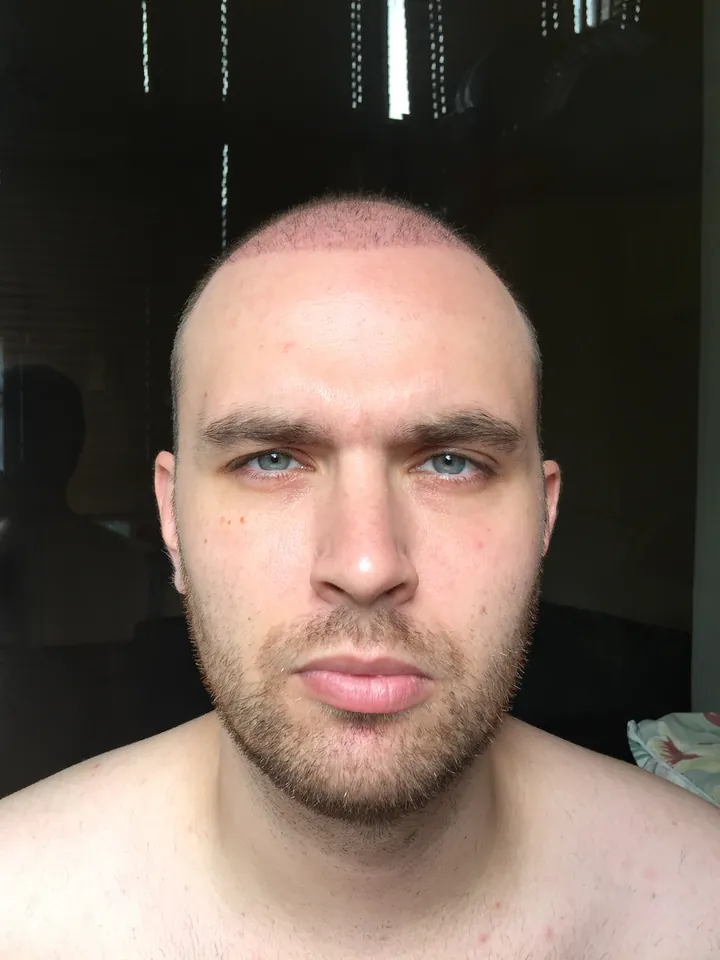
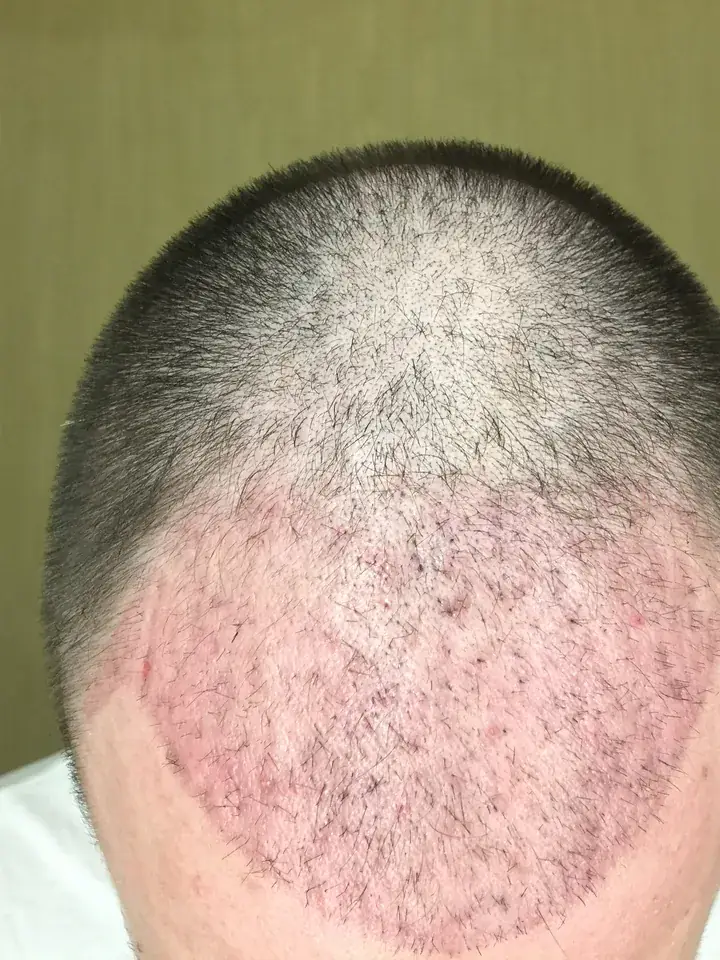
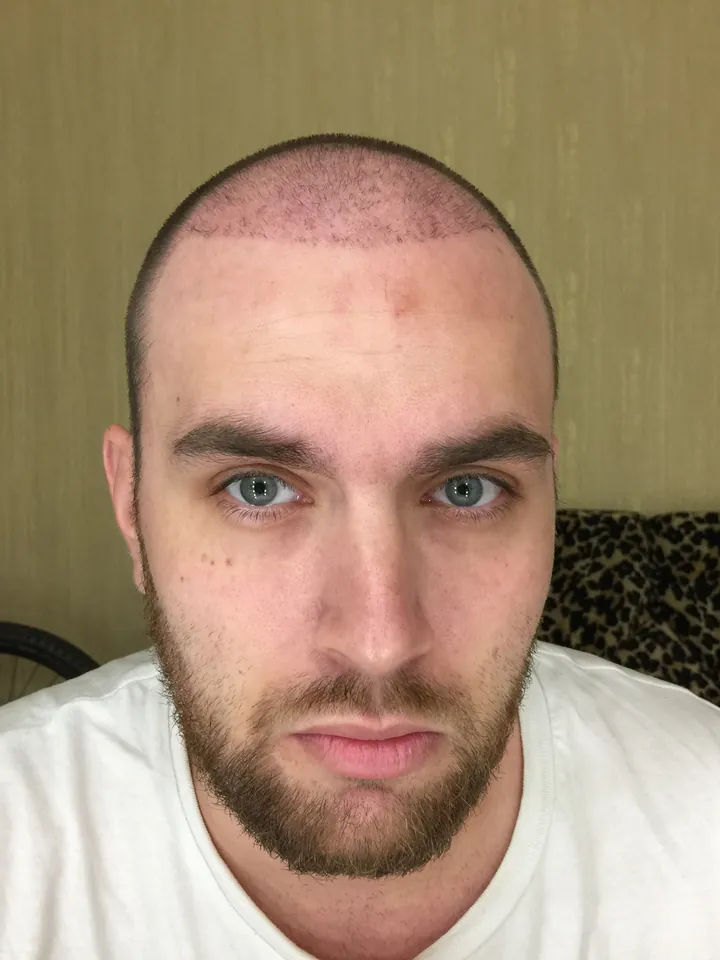
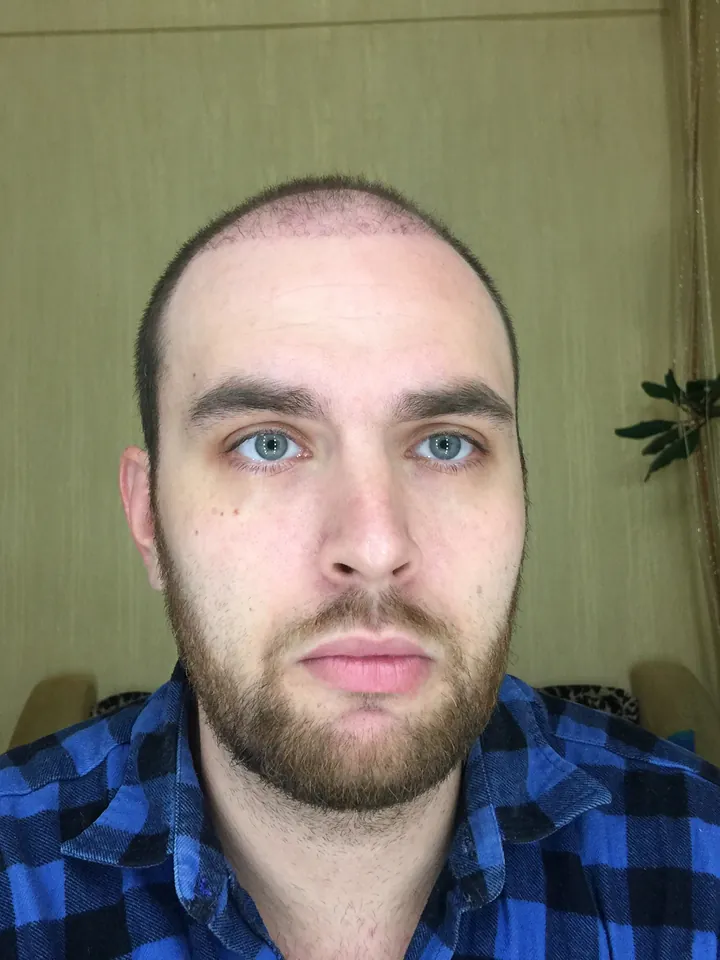
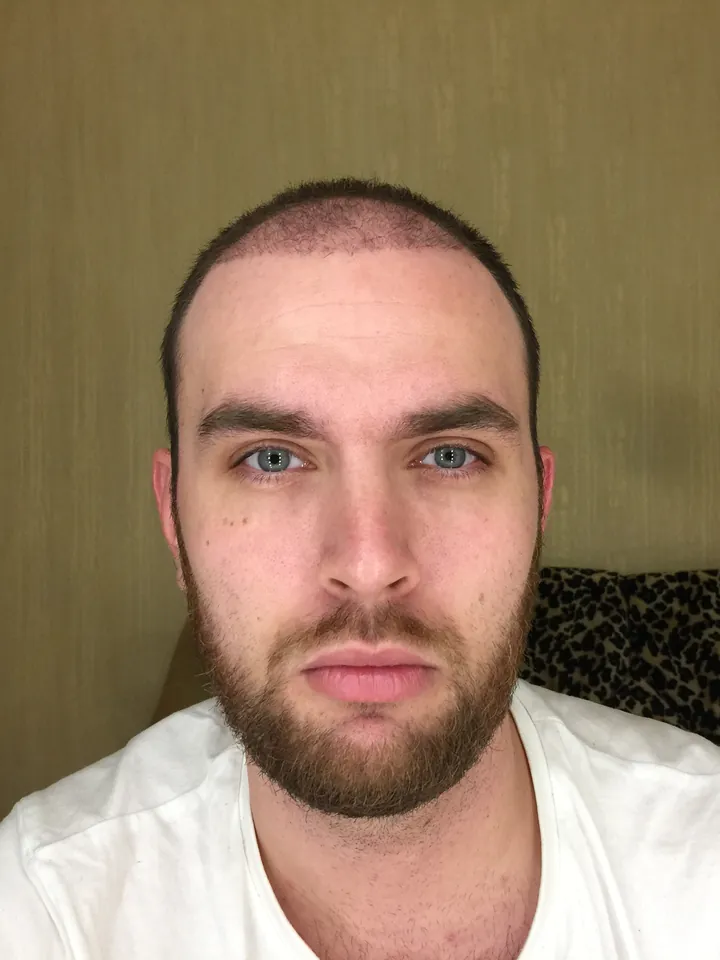
If you only looked at these photos, you could decide the operation had failed. My own hair is in place, but almost none of the transplanted hair is left.
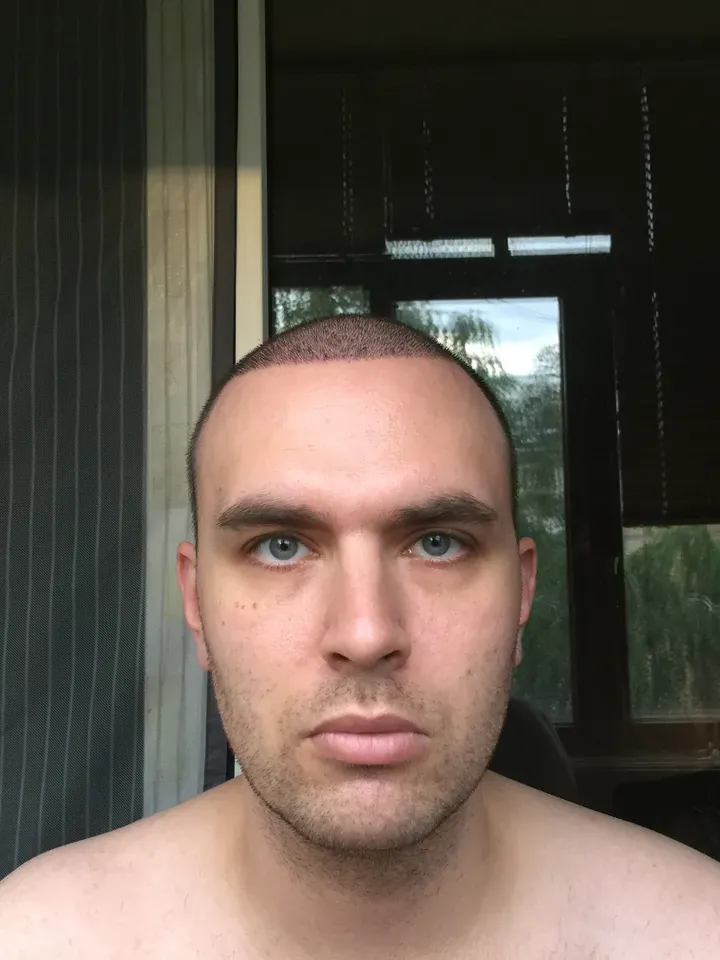
Days 60–90: the “ugly duckling” phase, empty but the roots are there
Days 90–120: growth begins
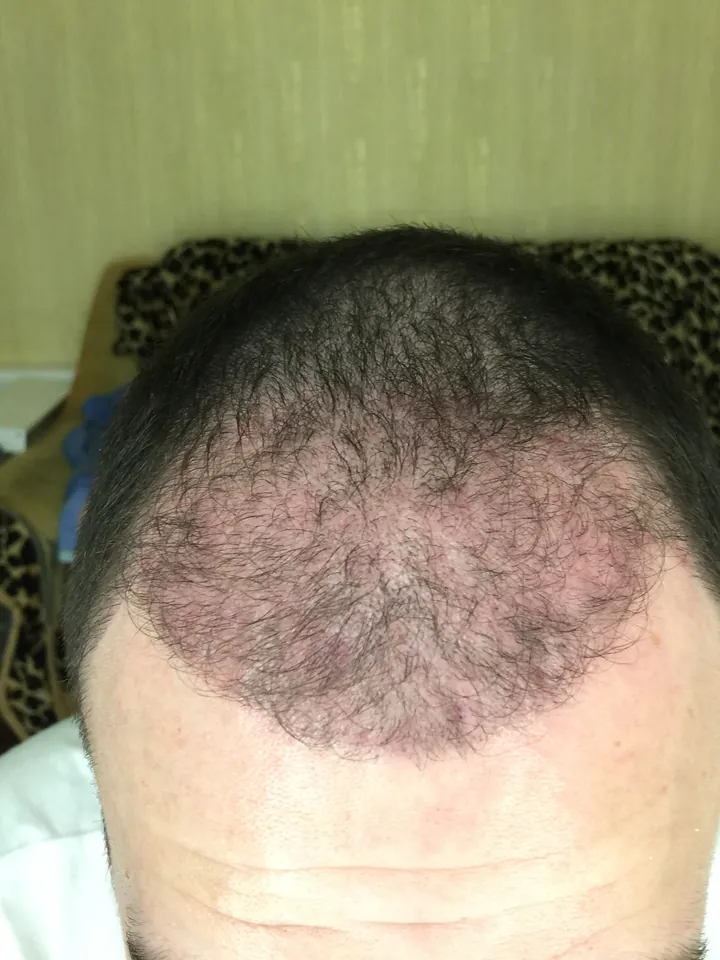
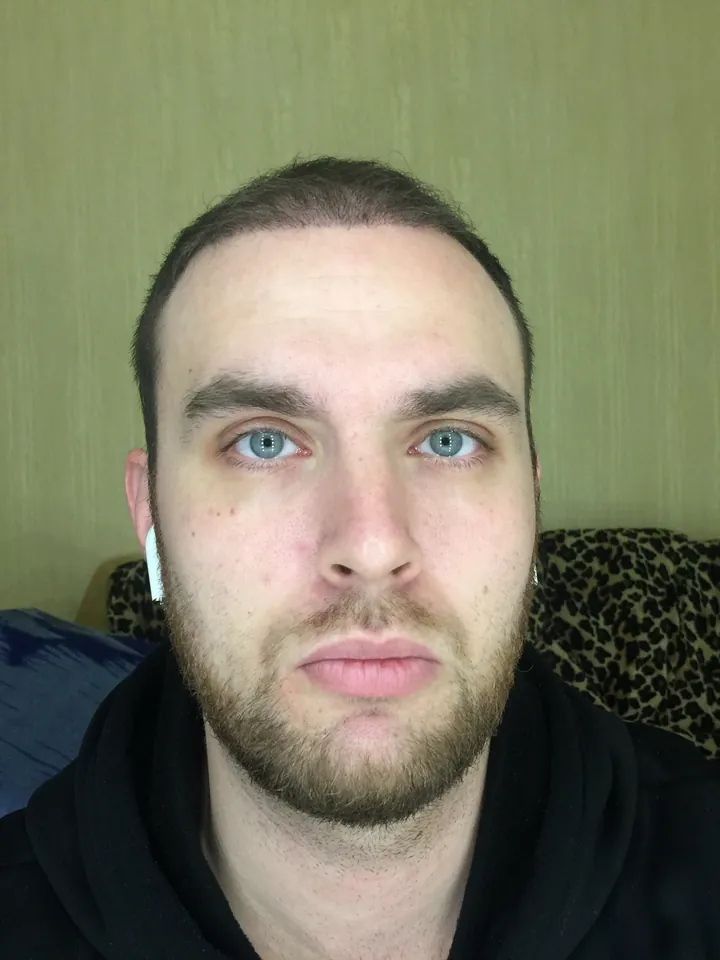
After that the hair keeps getting thicker for many months. I described what happens after month 4 in the article Hair Transplant Month by Month.
How long shock loss lasts and when it stops
For me, about 80 days: roughly from day 10 to day 90. The hair fell out most in the second month. Then for about another month my head looked empty, as in the day 75 photo. By day 90 the shedding was over and growth began.
From the operation to the first visible result, it took me about four months.
How much hair fell out: about 80% for me
Most of the transplanted hair fell out: about 80%. You can see it clearly in the day 45 and day 60 photos. Sometimes transplanted hair sheds less, but that is rare.
Is shedding after a hair transplant normal?
In the first months, yes. It is a normal stage after a transplant, and almost everyone goes through it.
If something seems wrong (for example, pain that gets worse over time, pus, strong swelling or a fever), don't wait: call your clinic. I put together a table of what's normal and what's worth showing a doctor in the month-by-month article.
How I got through this period
It didn't scare me: I knew about the shedding in advance. Before the operation I'd seen a lot of other people's results on YouTube, and for all of them this dip passed.
The photos helped too. In the mirror you don't see a difference from day to day, but photos taken a week or two apart show what is happening. That's why I photographed my head almost every 1–3 days, and those are the photos in this article.
To people who write to me in their second month, I say: don't worry, just wait. For me things looked normal by month 4.
Going through this right now? I'll tell you how it went for me and help you prepare questions for your clinic: consultation — €49 →
What else happened to me in those weeks
Shedding is not the only thing going on in the first months. Here is what I had between day 10 and day 120, briefly:
- Skin. For about a month and a half my scalp was sensitive. The pinkish tint on the transplanted area lasted much longer than the shedding, almost until month 8. You can see it clearly in the day 45 and day 60 photos.
- Washing. I washed my hair every day or every other day, with the shampoo from the kit I bought at the clinic.
- The clinic kit. I took the vitamins from that kit and often applied its oils to my scalp, which made my skin oily. What I take now is in the article about vitamins.
- Cap. After day 15 you can already wear a cap. I wore one now and then, but not all the time: I wanted my skin to breathe. Later I also tested hair fibers on myself, and I wrote about how it went in a separate article.
- PRP. My first PRP session was done right during the transplant, the second in month 3, when the shedding was already over. How it goes and why I do it is in the PRP article.
Video: my first year day by day
The whole first year, shock loss included, is in my YouTube video.
FAQ
Shock loss is the ugliest stage after a transplant. But it passes. For me, in three months.
Want to go through your own situation?
I'll tell you how it went for me and help you prepare questions for the clinic. This is personal experience, not medical advice.
Book a consultation — €49